

Ukrainian Winemakers Eye Sabah, Betting on Rare Grapes and Asian Tourists

Read Time:4 Minute, 7 Second
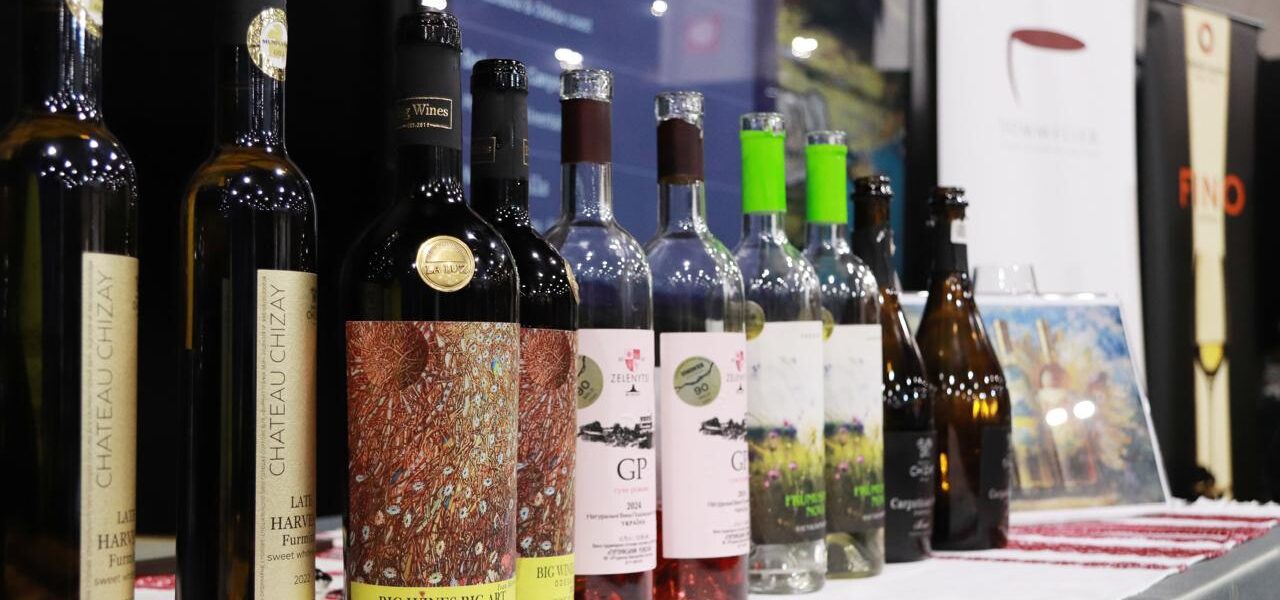
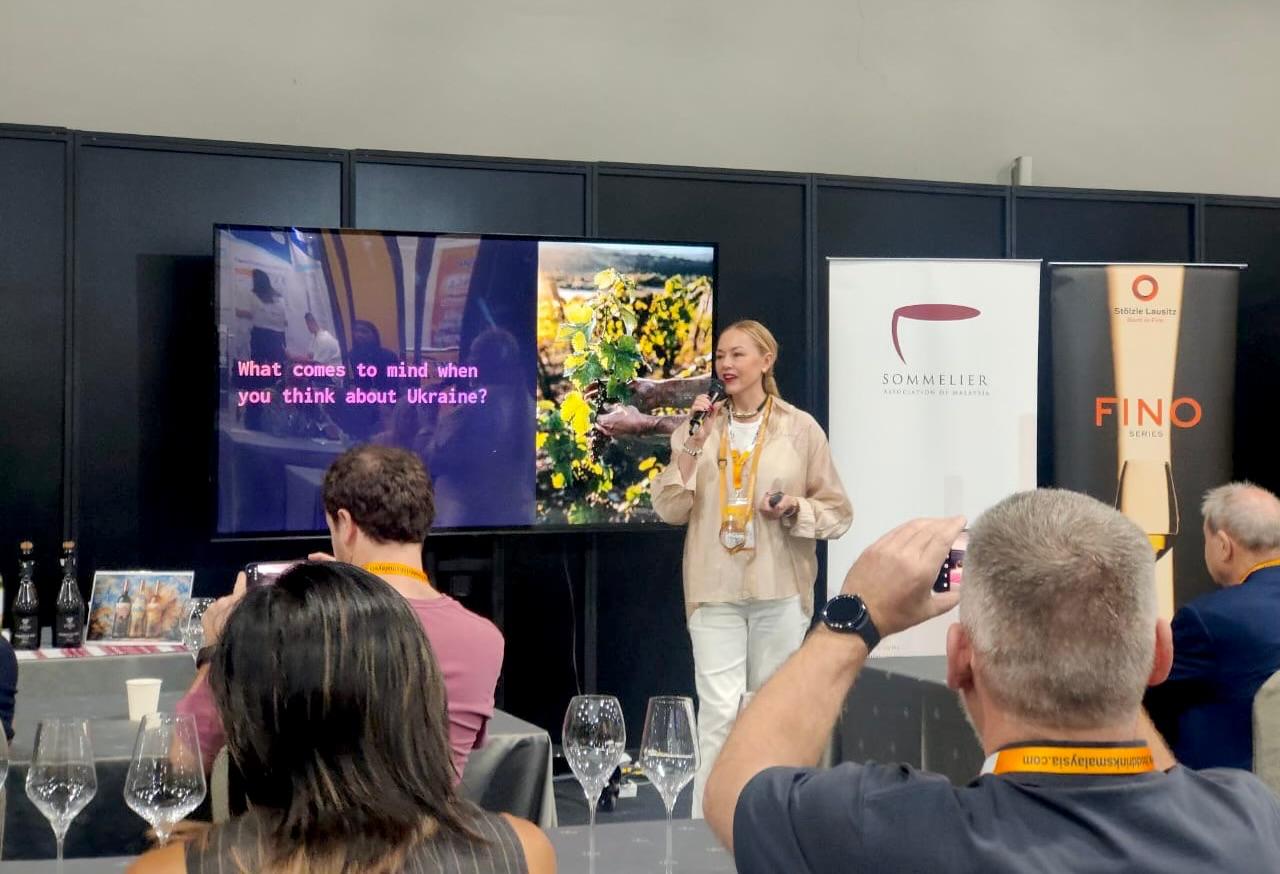
KOTA KINABALU — Ukraine’s wine industry is exploring opportunities in Sabah, promoting rare indigenous grape varieties as its producers seek a bigger presence in Asia’s tourism and hospitality markets.
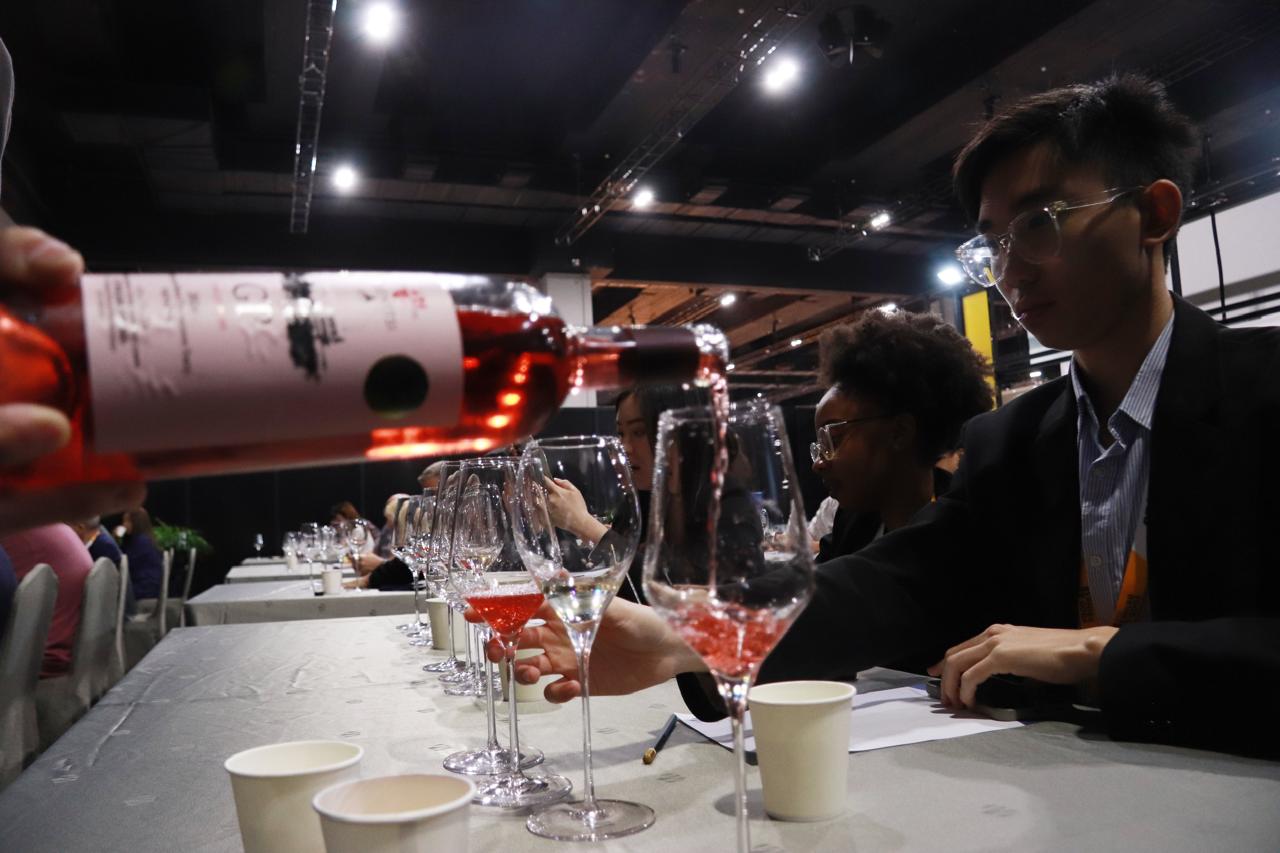
Brut sparkling wines from Ukraine’s Zakarpattia region, aromatic whites and fresh rosés could prove popular among visitors from China and South Korea, according to Solomiia Begun, founder and chief executive officer of Godai Sdn. Bhd., an exporter of French and Ukrainian wines to Asia.
“Asian consumers, particularly those from China and South Korea, generally appreciate wines that are elegant, fruit-driven and approachable,” Solomiia said in an exclusive interview.
Those wines can be paired with seafood, sushi and contemporary Asian cuisine, potentially giving them an advantage in Sabah, a major regional tourism destination known for its fresh seafood.
For fine-dining restaurants, Solomiia sees particular potential for red wines produced from Odesa Black, an indigenous Ukrainian grape. The variety produces full-bodied wines with rich aromas, considerable depth, elegant structure and well-integrated tannins.
Such characteristics make Odesa Black a suitable accompaniment to premium meats, grilled dishes and modern Asian cuisine, she said.
Growing consumer interest in lesser-known grape varieties is creating opportunities for emerging wine-producing countries that lack the global recognition of France, Italy, Australia and New Zealand.
Ukraine should not be viewed as trying to replicate those established markets, according to Begun. Instead, it offers its own identity and distinctive flavour profiles.
“Ukraine offers its own identity, distinctive flavours and an opportunity for wine lovers to discover something genuinely new,” she said.
Ukraine has a winemaking history stretching back more than 2,500 years. In addition to Odesa Black, the country cultivates indigenous grapes such as Telti-Kuruk and Sukholymanskyi alongside internationally recognized varieties.
More than 180 wineries operate across Ukraine, producing still, sparkling, rosé, orange and natural wines, according to Solomiia. The country’s beverage industry also makes premium brandies, vodka, herbal infusions, mead-based drinks and natural fruit juices.
Prospects for a Sabah Wine Industry
Sabah has already seen some success in cultivating grapes. Growing the fruit, however, is only the first step toward developing a commercially viable wine industry.
Producing quality wine requires grape varieties suited to local conditions, consistent vineyard management, modern processing technology and skilled professionals in viticulture and oenology, Begun said.
“Climate is also a decisive factor,” she said. “Developing a successful local wine industry requires long-term investment, education and consistency.”
A key challenge for Sabah is its hot and humid tropical climate, which differs significantly from the conditions found in many established wine regions. Vineyards commonly benefit from marked differences between daytime and nighttime temperatures, helping grapes preserve their natural acidity and develop greater complexity.
Local producers would therefore need to identify grape varieties capable of withstanding high humidity and disease pressure. They would also have to determine cultivation and harvesting cycles suited to Sabah’s climate.
Terroir Over Fertility
While Ukraine is renowned for its fertile chernozem, or black soil, fertility alone does not determine the quality of a wine.
Many of Ukraine’s premium vineyards are planted on limestone, volcanic and clay-limestone soils with good drainage. Such conditions encourage vines to develop deeper root systems, helping produce grapes with greater concentration, complexity and balance.
The journey from vineyard to table begins with careful crop management throughout the year. Grapes are harvested when they reach optimal ripeness before undergoing controlled vinification.
Depending on the intended style, the wine may then be aged in stainless-steel tanks or oak barrels before bottling.
“Every bottle of wine tells the story of its origin,from the vineyard and the people who care for it, to the table where it is shared and enjoyed,” Solomiia said.
Lihing as a Cultural Attraction
Traditional Sabah beverages such as lihing and tapai may offer tourists the same quality that distinguishes Ukraine’s indigenous wines: an experience that cannot easily be replicated elsewhere.
Solomiia said she had yet to taste either beverage but was interested in learning about their production methods and cultural significance.
Ukraine’s drinking culture is centered more heavily on grape fermentation than rice-based beverages. Still, consumers’ increasing willingness to explore products from other countries may create opportunities for Sabah’s traditional drinks, particularly when presented as part of a broader gastronomic and cultural experience.
Solomiia also sees potential in Sabah for premium Ukrainian vodka and traditional craft infusions made with herbs and honey. Bars, restaurants and tourism destinations could use such products to introduce visitors to another aspect of Ukrainian craftsmanship and hospitality.
Their success would depend on building effective distribution networks, setting competitive prices and raising awareness among consumers who are more familiar with labels from Australia and Western Europe.
For, Solomiia the opportunity begins with consumer curiosity.
“I sincerely hope that Malaysian consumers will soon have the opportunity to discover the diversity of authentic Ukrainian beverages and experience the culture, heritage and craftsmanship behind every bottle,” she said.