
Cross-Examination Focuses On Analysis Behind Alleged Loss of 41 Gold Dore Bars

Read Time:7 Minute, 3 Second
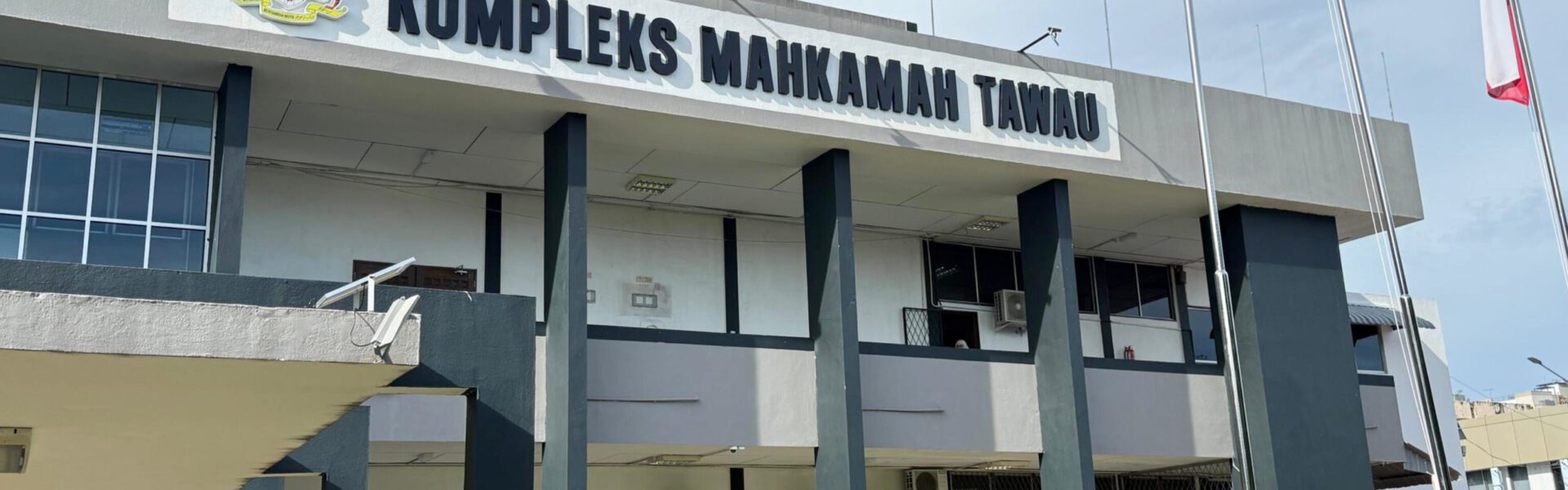
TAWAU: Issues surrounding the analytical basis and evidence used to support allegations involving the disappearance of 41 semi-refined gold bars (gold dore) became the central focus of civil proceedings at the Tawau High Court on Thursday.
The hearing before Judicial Commissioner Steve Ritikos continued with the cross-examination of the fourth plaintiff witness, Wong Ji Yung, by counsel for the defendants, Andy Tay. The plaintiffs were represented by counsel Norbert Yapp and Azimi Yahya.
The cross-examination centred on the methodology, reference documents and conclusions relied upon by Wong in relation to the alleged loss of the 41 gold dore bars.
In response to questions from the defence lawyer, Wong explained that his witness statement was not based solely on information provided by others, but was derived from his own analysis of documents, photographs and related materials after joining the company.
Proceedings then focused on the basis of his analysis concerning the alleged loss of the 41 gold dore bars. When it was suggested that the analysis relied only on serial number comparisons, Wong disagreed. He testified that his findings were based on a comprehensive review of documents, photographs, operational records and the broader context surrounding the matter.
Wong also referred to documents from the Inland Revenue Board (IRB), which he said mentioned 41 gold bars that had not been reported as sales. However, the defence lawyer argued that the documents related to unreported income or sales issues and did not constitute official confirmation of any missing or misappropriated gold.
During the proceedings, Wong listed several serial numbers which, according to his analysis, were linked to the 41 gold dore bars. The defence lawyer subsequently produced a number of invoices and royalty payment documents which he claimed showed that some of those serial numbers had been recorded as sales transactions.
The defence suggested that the existence of such invoices contradicted allegations that the gold bars were missing. Wong disagreed, explaining that some of the documents referred to were reprinted copies generated for royalty payment purposes, and that the status of any transaction should be assessed together with other relevant records.
He further stated that one of the issues identified in his analysis involved alleged discrepancies between serial numbers stated on invoices and those shown in photographs of certain gold bars.
The defence also raised questions regarding access logs, biometric systems, key registers and CCTV recordings that could potentially indicate whether any individual exercised exclusive control over the gold room and production records.
Wong agreed that, based on his understanding, such systems were not in place during the relevant period. He also acknowledged the possibility that other employees and third parties may have had access to certain operational areas, although he could not confirm this as he was not employed by the company when the events in question occurred.
He maintained, however, that the individuals in charge ultimately bore responsibility and accountability.
The defence further suggested that allegations against certain individuals were speculative in nature. Wong disagreed, stating that his conclusions were based on circumstantial evidence.
The proceedings also examined the interpretation of the term “missing” in relation to the 41 gold dore bars, including whether it referred to gold that had been stolen or gold that had been produced but was not recorded as either sales or company inventory.
Wong testified that his analysis indicated there were evidence that the gold bars had been produced, based on documentary and photographic records, but had not been reflected in the company’s accounts either as sales or inventory.
The cross-examination also raised the absence of a joint stocktake during the management handover. Wong disagreed that this undermined his analysis, explaining that the alleged irregularities dated back to 2019.
According to Wong, if the missing gold dore bars existed as inventory, they would have been reflected in the company’s financial statements even before the change in management.
Proceedings also addressed documents that had previously been seized by the Malaysian Anti-Corruption Commission (MACC). Wong acknowledged that he had no personal knowledge of how those documents had been stored or handled before being returned.
The hearing was subsequently adjourned and will continue with further cross-examination of the witness.
ENDS.
Cross-examination focuses on analysis behind alleged loss of 41 gold dore bars
TAWAU: Issues surrounding the analytical basis and evidence used to support allegations involving the disappearance of 41 semi-refined gold bars (gold dore) became the central focus of civil proceedings at the Tawau High Court on Thursday.
The hearing before Judicial Commissioner Steve Ritikos continued with the cross-examination of the fourth plaintiff witness, Wong Ji Yung, by counsel for the defendants, Andy Tay. The plaintiffs were represented by counsel Norbert Yapp and Azimi Yahya.
The cross-examination centred on the methodology, reference documents and conclusions relied upon by Wong in relation to the alleged loss of the 41 gold dore bars.
In response to questions from the defence lawyer, Wong explained that his witness statement was not based solely on information provided by others, but was derived from his own analysis of documents, photographs and related materials after joining the company.
Proceedings then focused on the basis of his analysis concerning the alleged loss of the 41 gold dore bars. When it was suggested that the analysis relied only on serial number comparisons, Wong disagreed. He testified that his findings were based on a comprehensive review of documents, photographs, operational records and the broader context surrounding the matter.
Wong also referred to documents from the Inland Revenue Board (IRB), which he said mentioned 41 gold bars that had not been reported as sales. However, the defence lawyer argued that the documents related to unreported income or sales issues and did not constitute official confirmation of any missing or misappropriated gold.
During the proceedings, Wong listed several serial numbers which, according to his analysis, were linked to the 41 gold dore bars. The defence lawyer subsequently produced a number of invoices and royalty payment documents which he claimed showed that some of those serial numbers had been recorded as sales transactions.
The defence suggested that the existence of such invoices contradicted allegations that the gold bars were missing. Wong disagreed, explaining that some of the documents referred to were reprinted copies generated for royalty payment purposes, and that the status of any transaction should be assessed together with other relevant records.
He further stated that one of the issues identified in his analysis involved alleged discrepancies between serial numbers stated on invoices and those shown in photographs of certain gold bars.
The defence also raised questions regarding access logs, biometric systems, key registers and CCTV recordings that could potentially indicate whether any individual exercised exclusive control over the gold room and production records.
Wong agreed that, based on his understanding, such systems were not in place during the relevant period. He also acknowledged the possibility that other employees and third parties may have had access to certain operational areas, although he could not confirm this as he was not employed by the company when the events in question occurred.
He maintained, however, that the individuals in charge ultimately bore responsibility and accountability.
The defence further suggested that allegations against certain individuals were speculative in nature. Wong disagreed, stating that his conclusions were based on circumstantial evidence.
The proceedings also examined the interpretation of the term “missing” in relation to the 41 gold dore bars, including whether it referred to gold that had been stolen or gold that had been produced but was not recorded as either sales or company inventory.
Wong testified that his analysis indicated there were evidence that the gold bars had been produced, based on documentary and photographic records, but had not been reflected in the company’s accounts either as sales or inventory.
The cross-examination also raised the absence of a joint stocktake during the management handover. Wong disagreed that this undermined his analysis, explaining that the alleged irregularities dated back to 2019.
According to Wong, if the missing gold dore bars existed as inventory, they would have been reflected in the company’s financial statements even before the change in management.
Proceedings also addressed documents that had previously been seized by the Malaysian Anti-Corruption Commission (MACC). Wong acknowledged that he had no personal knowledge of how those documents had been stored or handled before being returned.
The hearing was subsequently adjourned and will continue with further cross-examination of the witness.