

Read Time:6 Minute, 14 Second
Opinion Piece by Sabah Ali BahBah
It seems the whole internet is ablaze with commentary about the Rohingya refugee crisis in Malaysia. Looking past the almost boiling racial tensions, perhaps it should be said that many Malaysians already saw the hypocrisy of Malaysian netizen sentiments to assist the Rohingyas with entry in Malaysia as a serious threat to our already very peaceful and racially harmonius nation – Or perhaps, was it Sabahans who saw the looming crisis coming and silently murmured to themselves “Well, now you will know”
It doesn’t take alot of effort for someone to see that Sabah has been waging it’s silent war against illegal migrants from the Philippines for decades, alebit without any real sympathy from the rest of Malaysia for trying its best in dealing with the intrusion this silent battle has shaped local policies, revamped social views and even resulted in security concerns unheard of else where across Malaysia.
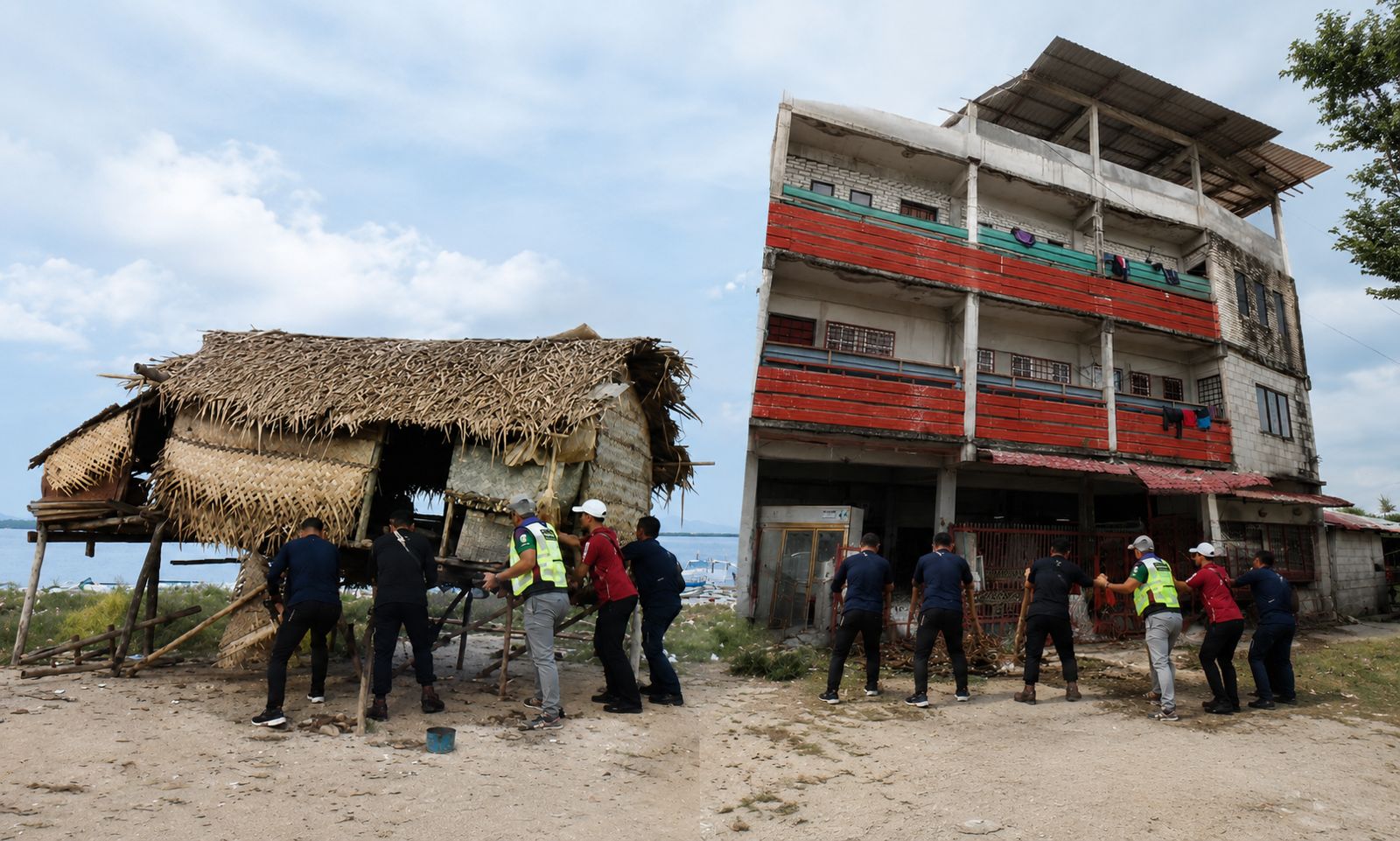
When a group of PTI illegally built their huts on public beaches in Sabah, Malaysian netizens were quick into calling Sabahans “barbaric” for burning and tearing these huts down. Now, when an illegal housing flat was discovered in Selangor’s Hulu Langat, that had almost 30 units for Rohingya refugees to rent, the government in a matter of days was quick to literally dismantle and destroy the property, singing praise from netizens.
In a more recent example – the outrage created from once respectable news papers like The Star and Malaymail came out with twisting the portrayal of Sabah’s progress when it came to the Unicef SCWI (Sabah Child Welfare Index) Report as inferring specifically that the Sabah’s government had nefariously made improvished illegal migrant children a target, despite Unicef themselves praising actual real effort and policy changes and discussions being had with the state government of Sabah.
Today, with all their hypocrisy and false digital virtue signalers, the affirmative action social groups who once championed the Rohingya refugeee communities as “vulnerable” and “victims” call out these Rohingyas as “Parasites” or more politically concerning “A problem”.
When the Rohingya refugee crisis broke out on the web, most of those who read the news may have noticed a consistent trend of Rohingya related crimes and incidences being reported more often that usual. It was all sparked however by a Rohingyan University of Sydney graduate’s speech on mistreatment in their time in Malaysia, with her claims of mistreatment of Rohingyan Children being placed in detention behind bars, that stirred and boiled over for what seemed like an already agitated Malaysia.
For Sabahans, it was probably quite bemusing to see the comments and sudden shock therapy that most Malaysians suddenly felt over the unhappiness – the kind of talk that sounded like a broken record in the ears of Sabahans who have been all too familiar for the last 50 years of dealing with foreigner and migrant PTI problems, and even then, the overwhelming feeling of abandonment from the rest of Malaysia who sat from their ivory towers and high horses to say it was a state problem was simply ironic.
Although the PTI problems of Sabah and the Rohingya refugees are academically considered different groups, based upon their own definitions of suffering, it is clear that what Malaysians are today facing are issues related to foreigners entering their beloved country, and causing social problems. It would be important to note that Malaysia is not a signatory to the 1951 UN Refugee Convention, the related 1967 Protocol (Relating to the Status of Refugees) and does not actually have a legal obligation or framework to support any refugees entering the country.
So where does Sabah stand when looking upon this issue? How can Malaysia learn from the lessons experienced in Sabah?
When the Project IC scandal erupted, introduced by (still unproven) political powers of yester year, where hundreds if not thousands of PTI groups across Sabah were issued the blue Mykad, with the condition that so long as these new Sabahans voted for them, it became clear in the hearts of many original Sabahans, they would pay the price for the political greed and ambition of powers not even from Sabah.
In a modern example, the political opponents of the state weaponized the PTI population with promises of reform, identification, rationalization, humanitarianism, all the public relation buzz words usable to rally up the impressionable youth via their Cytro Tiktok & Social media posts.
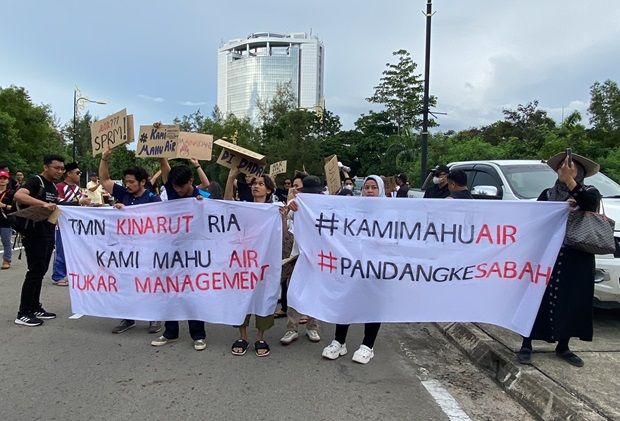
The 2024 protests in front of the chief minister’s office with the mask of virtuous liberation, demanding a simple request for water supply, was marred by reports that many of the protestors were infact PTI paid by political groups to attend, it comes across as a bitter reminder of what lengths political masterminding will do – When the state presented it’s report findings that many of the water connections had been illegally tapped and redirected to PTI slum communities, it became clear, there was no middle ground to be had between the government and the people. This collapse in perception, especially because financially incentivized illegal migrants rallied, is a problem yet unfaced in other states of Malaysia.
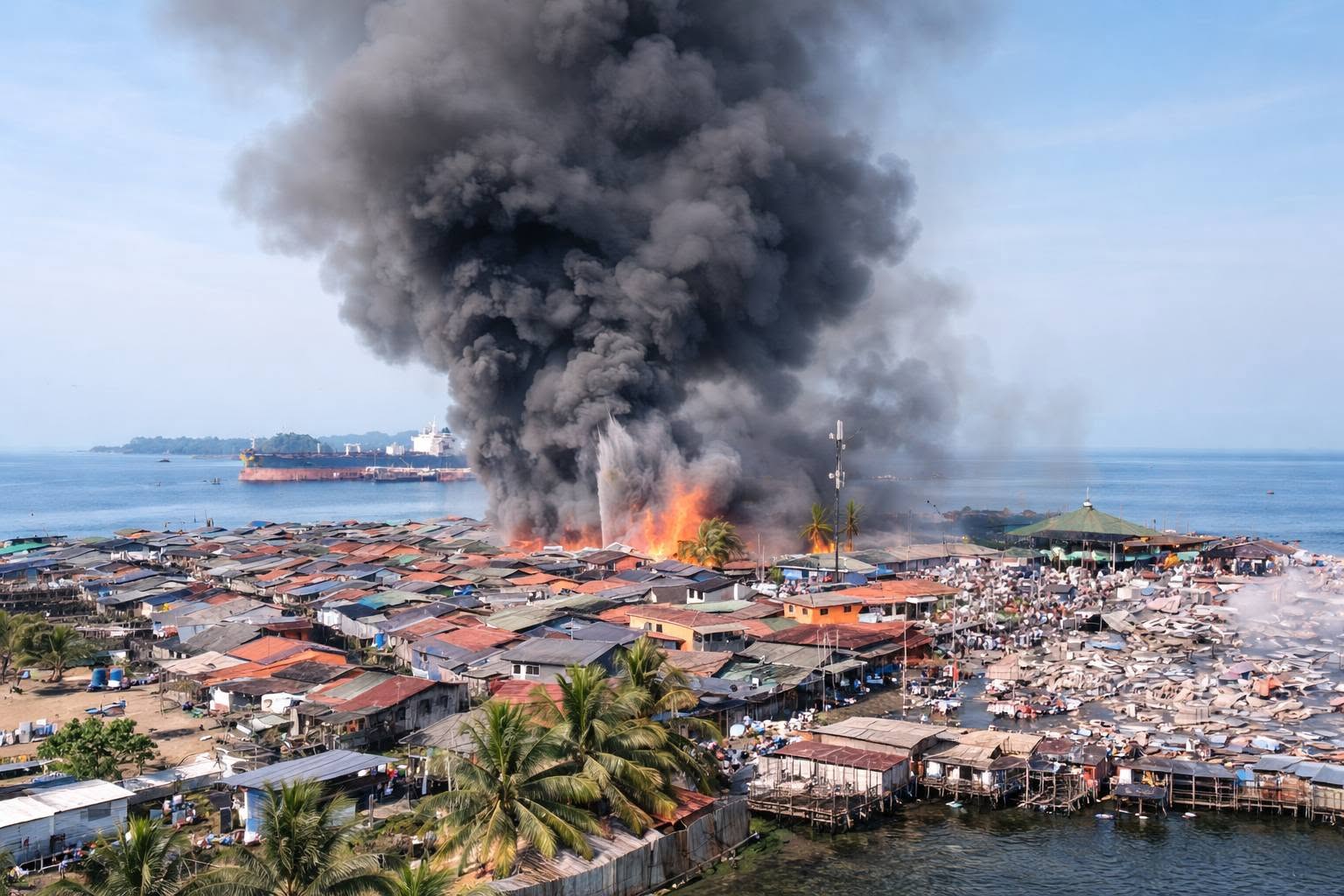
When an entire water village burns down in Sandakan’s Kampung Bahagia in early 2026, and global news spread and condemned such a tragedy – but comparatively, the question about the population of actual legal Sabahan citizens against the illegal PTI settlers there wasn’t even raised, even when the Chief Minister of Sabah went to the ground and offered an immediate cash aid of RM2000 to each household, there were already WhatsApp messages shared around claiming “it was an attempt to catch the illegals, don’t go”.
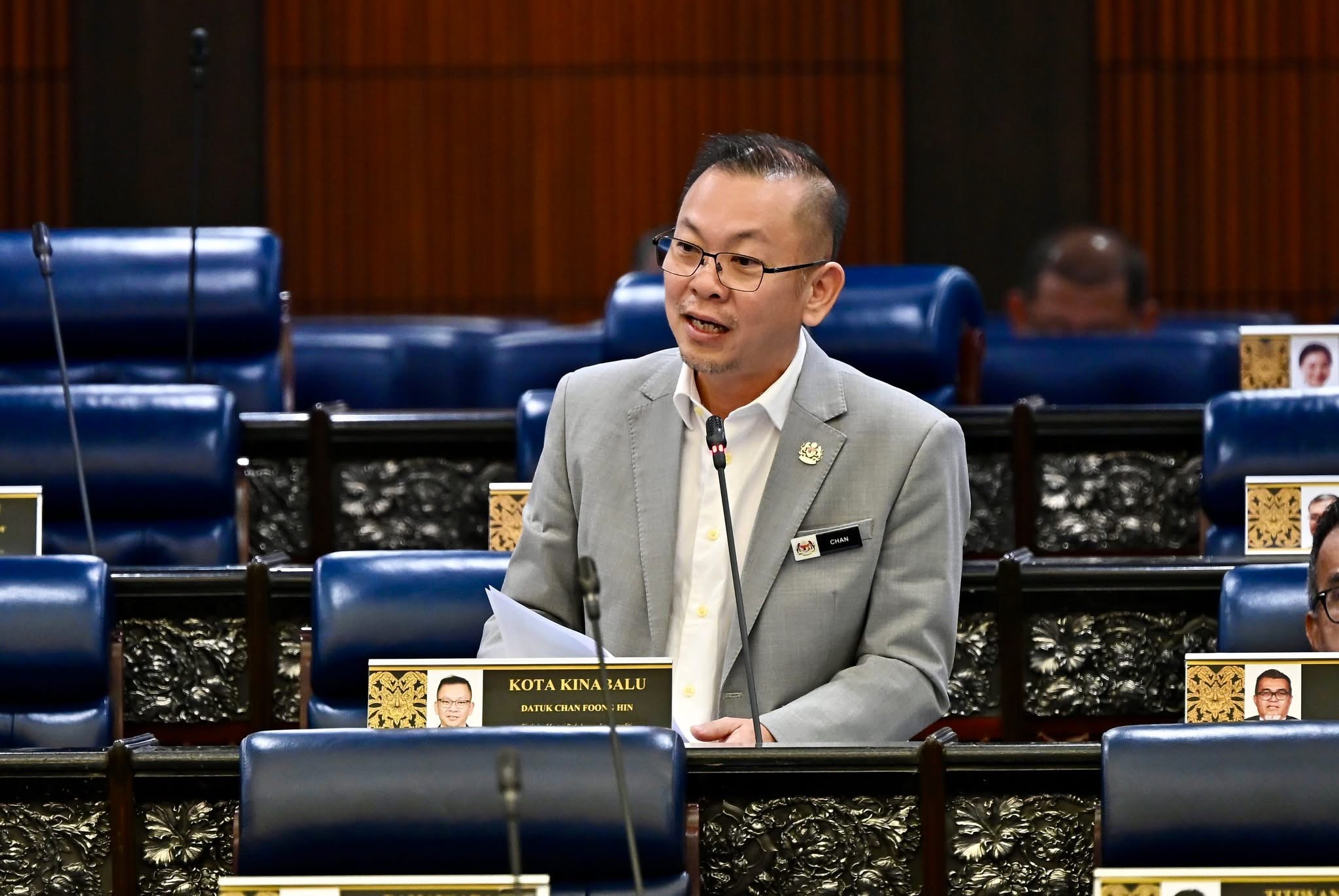
When it came to the long term problems faced, in 2016, DAP’s Chan Foong Hing declared “They should dissolve ESSCOM” yet when the Eastern Sabah Security Command was setup, composed of the top anti-terrorism operators in Malaysia, and successfully quelled the RSF insurgency, it was Sabahans that let out a breath of air for the first time.
Even in 2019, when DAP worked with the then Warisan Government, Shafie disagreed with disbanding ESSCOM, notably since he himself was the representative of Semporna, which perception wise holds the highest population of Sulu & illegal PTI population.
When Prime Minister Anwar Ibrahim swiftly mentioned to the media “Rohingya refugees must abide by the law or face action” a realisation occurred – All it took was for a proportionately smaller population of an estimated 200,000 Rohingya refugees to have a sitting Prime Minister speak up, yet against a conservatively estimated over 1,000,000 PTI population in Sabah, what support is being mentioned for the people of Sabah?
The sentiment against the Rohingya and the PTI are both issues in their own right, but if the rest of Malaysia continues to ignore the lessons learned from Sabah, then it truly would run counter to the Malaysian spirit of Madani.
Ultimately, the policy of government needs to reflect serious reforms especially when it comes to the historical practices of political exploitation of foreigner communities for political agendas.
The Rohingya debate is not simply about refugees. It is a reminder that issues once dismissed as “Sabah’s problem” have eventually become national issues, just with a different demographic group. Whether Malaysia chooses to learn from Sabah’s experience – or repeat its mistakes – will define the country’s migration policy for decades to come.