Wong Ah Yun: Remembering North Borneo’s ‘Iron Man’ and his sporting legacy

Read Time:3 Minute, 51 Second
KOTA KINABALU: Once celebrated for his exceptional strength, versatility and achievements in athletics, Wong Ah Yun, fondly known as the “Iron Man” of North Borneo, remains one of Sabah’s sporting pioneers whose contributions deserve greater recognition.
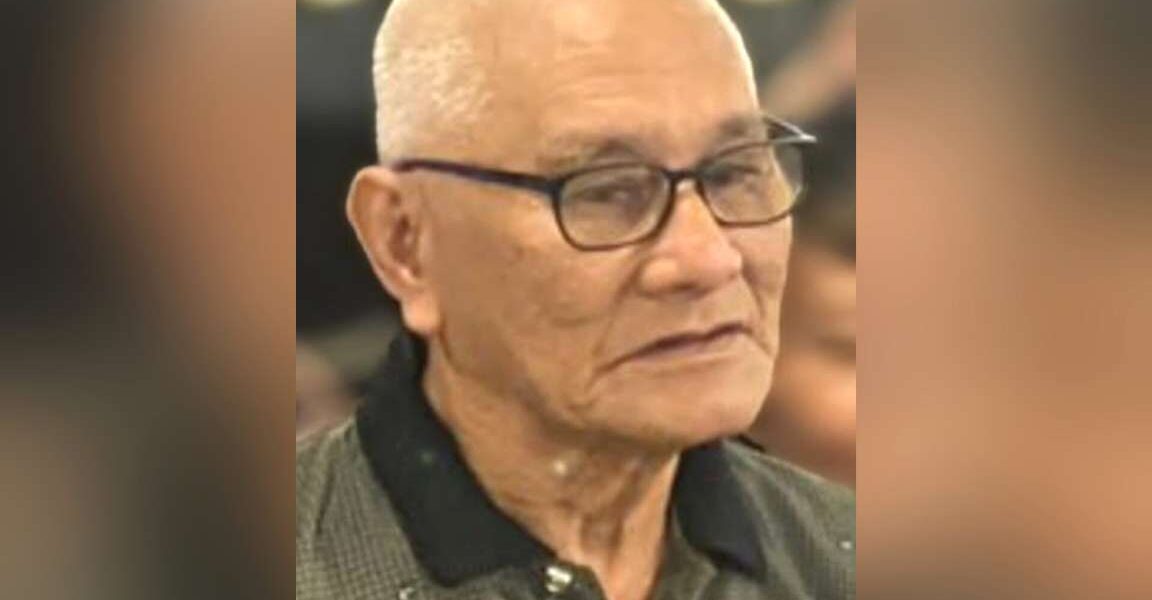
Wong passed away at Queen Elizabeth Hospital in Kota Kinabalu on November 3, 2026 at the age of 85. Although he is no longer around, his achievements during an era when sporting facilities and training resources were limited remain an important part of Sabah’s sporting heritage.
Also known as Wong Tet Joon, Wong was born on Jan 23, 1941, into a Hainanese family of six siblings. He was the fourth child, while his father worked as a chef for a British officer in Jesselton, now Kota Kinabalu.
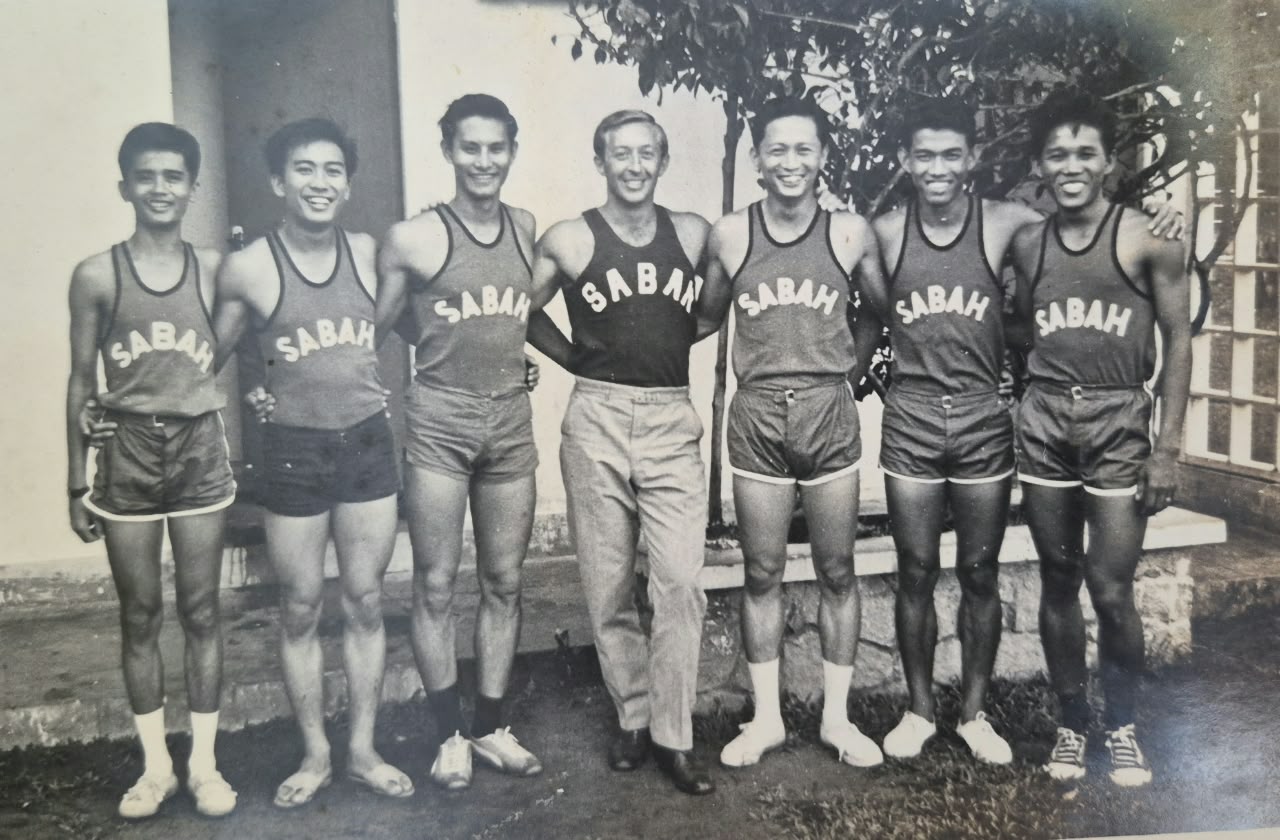
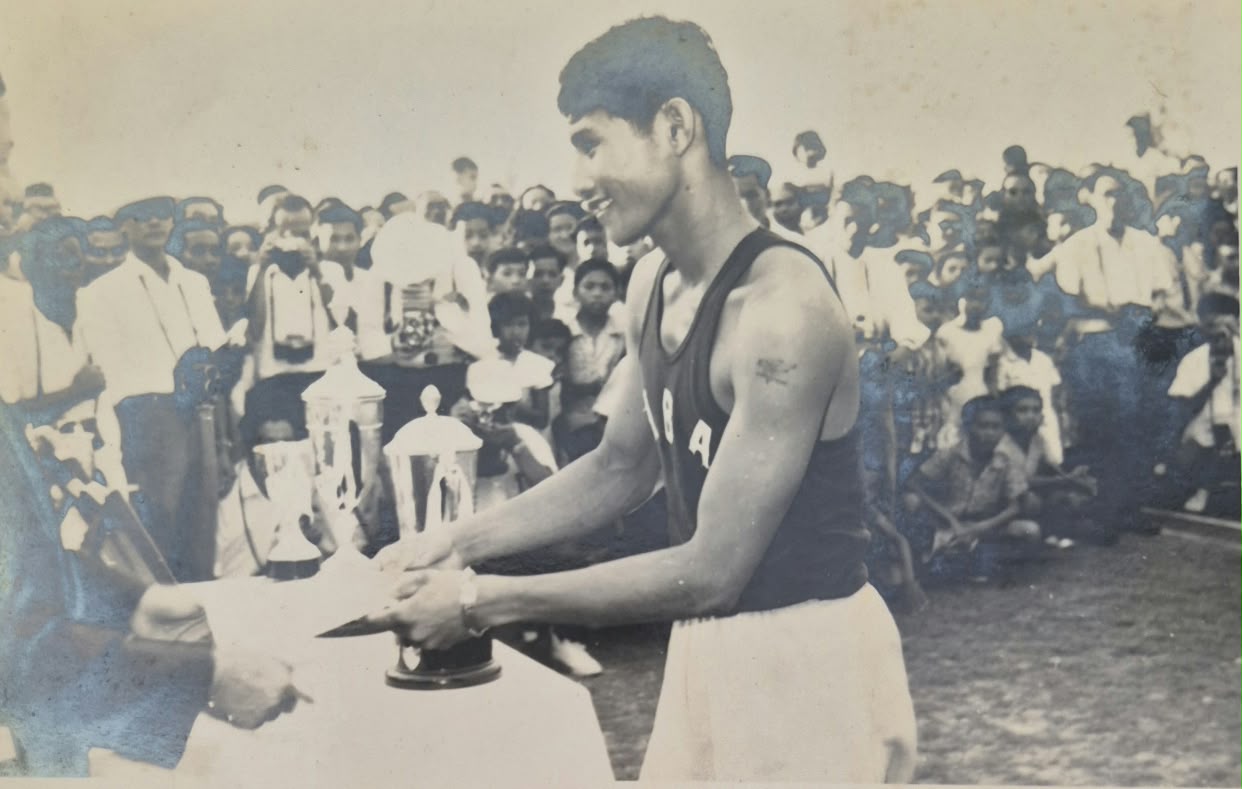
His talent in athletics began to emerge during his teenage years in the late 1950s. Despite competing against older and more experienced athletes, Wong quickly established himself as a versatile sportsman, particularly in the decathlon, an event comprising 10 different track and field disciplines.
His achievements were especially remarkable given the limited training facilities and lack of professional coaching available at the time. Much of his development came through personal discipline, determination and natural athletic ability.
One of the most notable aspects of his sporting career was his performance in the pole vault. According to accounts of his achievements, Wong became the first local athlete to clear the 12-foot mark using a homemade bamboo pole.
Unlike today’s athletes, who benefit from specialised landing mats, competitors during his era had to land on soft sand, making the event considerably more challenging.
His strength, courage and versatility across different athletic disciplines eventually earned him the nickname “Iron Man” of North Borneo.
A record of sporting achievements
Historical records further document Wong’s contribution to athletics in North Borneo.
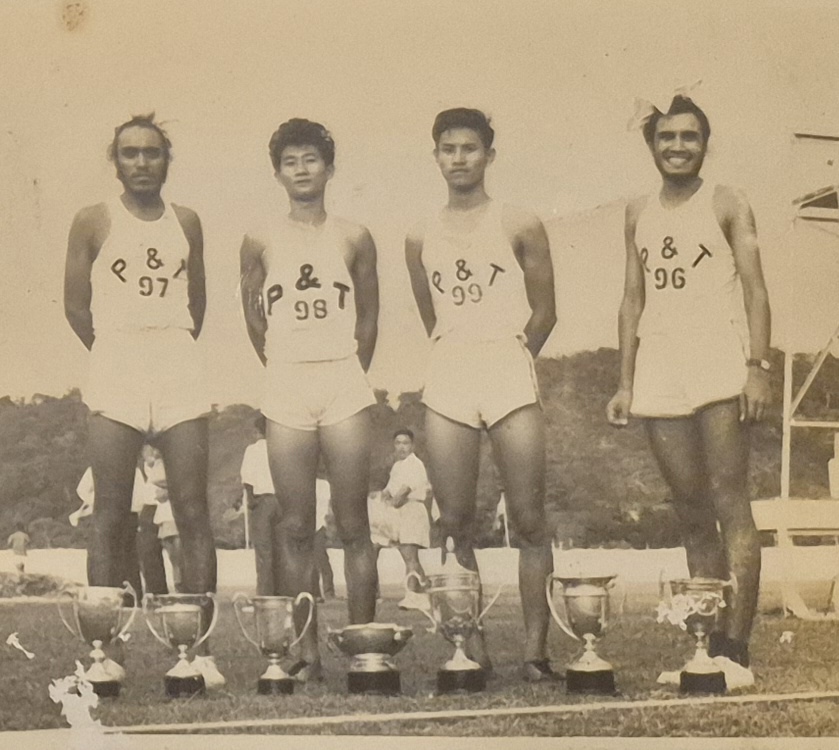
The Sarawak Gazette, dated Aug 31, 1961, recorded his participation in the high jump and pole vault events representing North Borneo. He registered a height of five feet six inches in the high jump and 10 feet in the pole vault.
In July 1967, Wong represented Sabah at the Borneo Three Territories Sports Competition in Serian, Brunei, where he secured third place in the men’s pole vault event.
These achievements reflected his determination to represent his home territory at regional competitions during a period when sporting opportunities, facilities and resources were considerably limited.
However, just as his athletic career was reaching its peak, Wong was involved in a serious, life-threatening vehicle accident shortly before he was due to represent Malaysia at major international competitions, including the Southeast Asian Peninsula Games, Asian Games and Commonwealth Games.
The accident abruptly ended his preparations and prevented him from pursuing what could have been a significant international chapter in his sporting career.
Despite missing those opportunities, his achievements at the local and regional levels remain part of Sabah’s athletics history.
Beyond the sporting arena
Away from athletics, Wong also built a family and professional life.
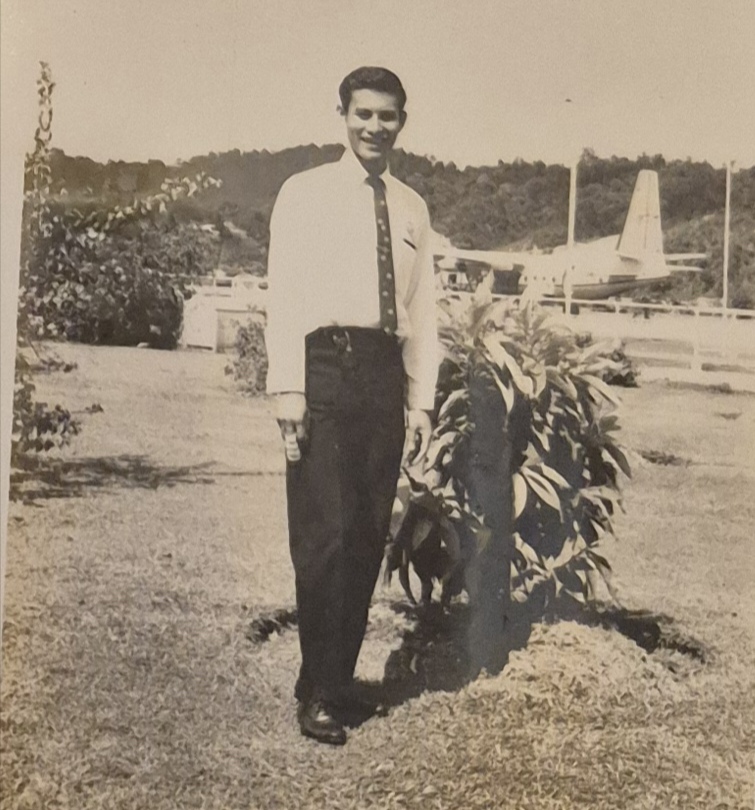
He married Frances Cilia Loos in 1967, and the couple raised three children, comprising a son and two daughters.
He served with the Telecommunications Department, which later became Telekom Malaysia Berhad, until his retirement in 1995.
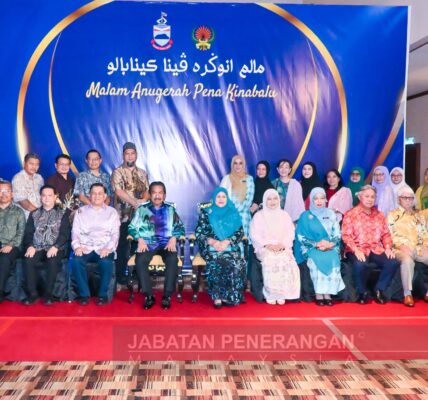
In September 2019, decades after his competitive years, Wong was among former national athletes invited to attend the closing ceremony of the 9th Sabah Masters Open Athletics Championships.
His presence at the event provided a meaningful reminder of the pioneering generation of athletes whose dedication and achievements helped shape the development of athletics in Sabah.
A legacy worth preserving
Wong Ah Yun’s story goes beyond medals, records and sporting achievements. It reflects the determination of an early generation of athletes who pursued excellence despite limited resources, basic equipment and challenging training conditions.
His journey also carries an important message for younger generations: sporting success is built not only on modern facilities and professional coaching but also on discipline, perseverance and the determination to push beyond personal limitations.
His contributions deserve to be properly documented and recognised by the relevant sports authorities, athletics associations and the wider sporting community.
Although Wong can no longer stand on the athletics field, the legacy he leaves behind remains significant. From clearing heights with a bamboo pole to representing North Borneo and Sabah at regional competitions, his journey stands as a testament to the sporting spirit of his generation.
Sporting pioneers should not have to wait until they are gone to receive recognition for their contributions.
Their achievements deserve to be acknowledged and celebrated while they are still with us, ensuring that the names and stories of those who helped build Sabah’s sporting history are never forgotten.